Insights into the Link between Agriculture & National Defense and the Global Phosphorus Pattern from US Phosphorus Strategy
Phosphorus management
18 February 2026 at 12:00
Phosphorus management
18 February 2026 at 12:00
Recently, the US has elevated the supply of elemental phosphorus and glyphosate - based herbicides to the national defense strategic level. This move has triggered a chain reaction in the global phosphorus resource sector and the realm of the agriculture - national defense connection, attracting significant attention from all sectors. Why has the US made such a strategic decision, and what impacts will it have on the world?
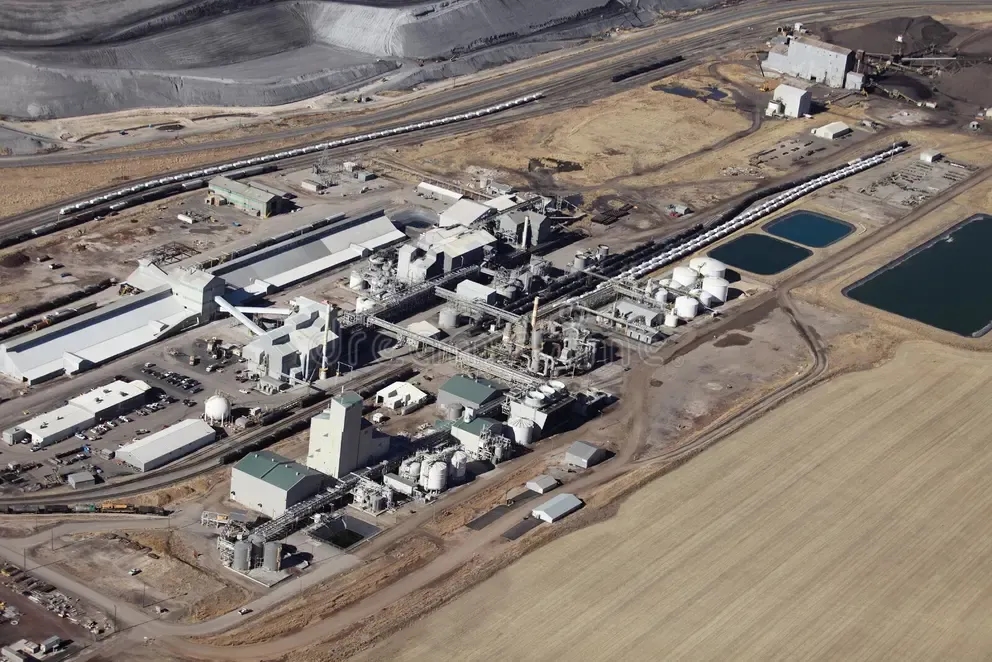
Elemental phosphorus, a crucial resource, plays a vital role in both agriculture and national defense. It is an essential raw material for the production of glyphosate - based herbicides. Glyphosate, a widely - used herbicide in US agriculture, is of great significance for ensuring high crop yields and maintaining the agricultural advantage of the US, which is directly related to the country's food security. At the same time, elemental phosphorus is an indispensable material in the field of national defense science and technology. Its production is essential for military equipment such as smoke bombs and special explosives, as well as for cutting - edge technology products like semiconductors and new - energy batteries. In a sense, elemental phosphorus and glyphosate - based herbicides serve as a bond, closely connecting agriculture and national defense.
From the US perspective, ensuring the supply of these two is of great significance for the coordinated development of its agriculture and national defense. A stable supply of glyphosate - based herbicides ensures stable agricultural production, laying a solid material foundation for national defense. An adequate supply of elemental phosphorus meets the material needs of the national defense industry, enhancing the performance of military equipment and the strength of national defense science and technology.
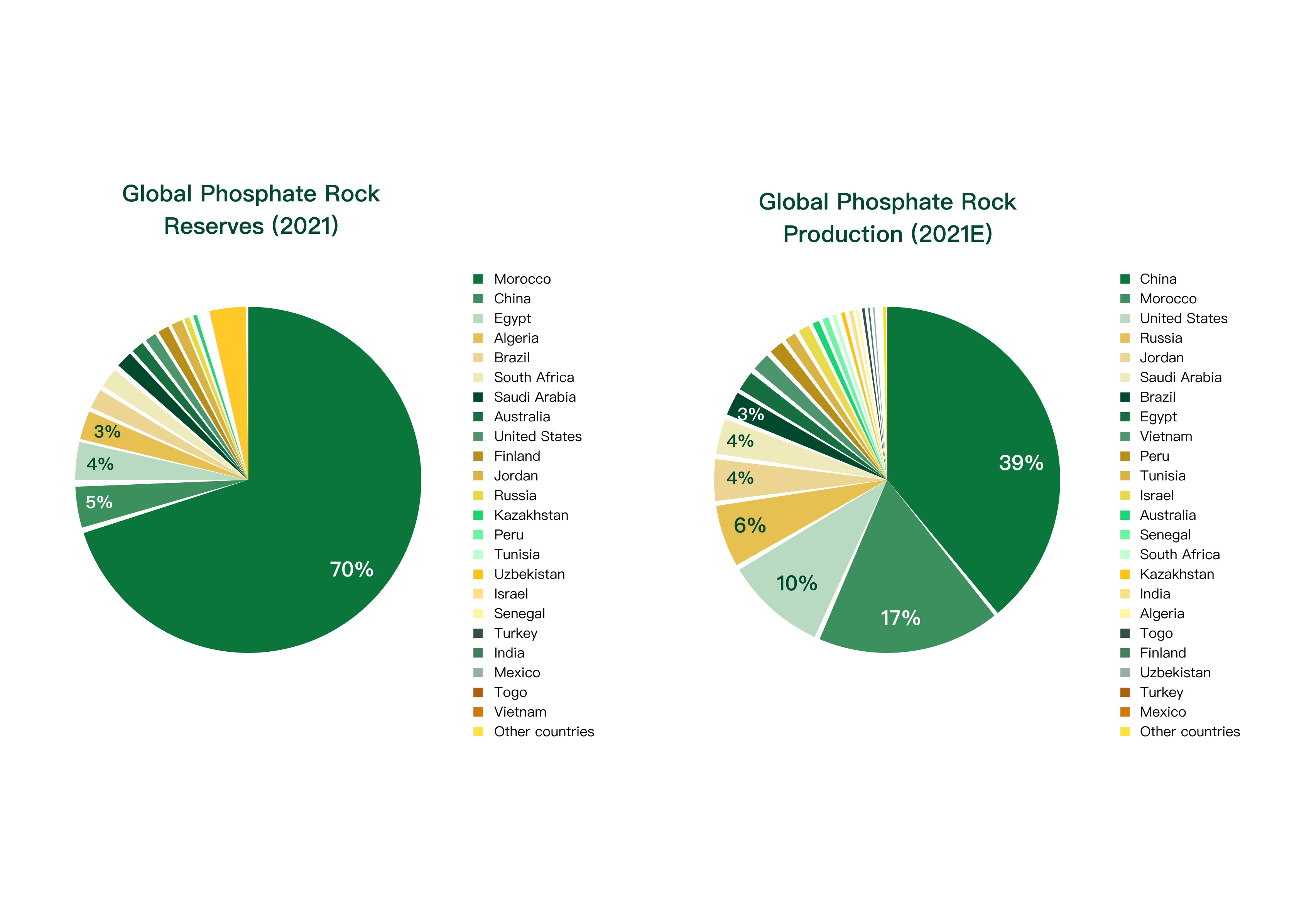
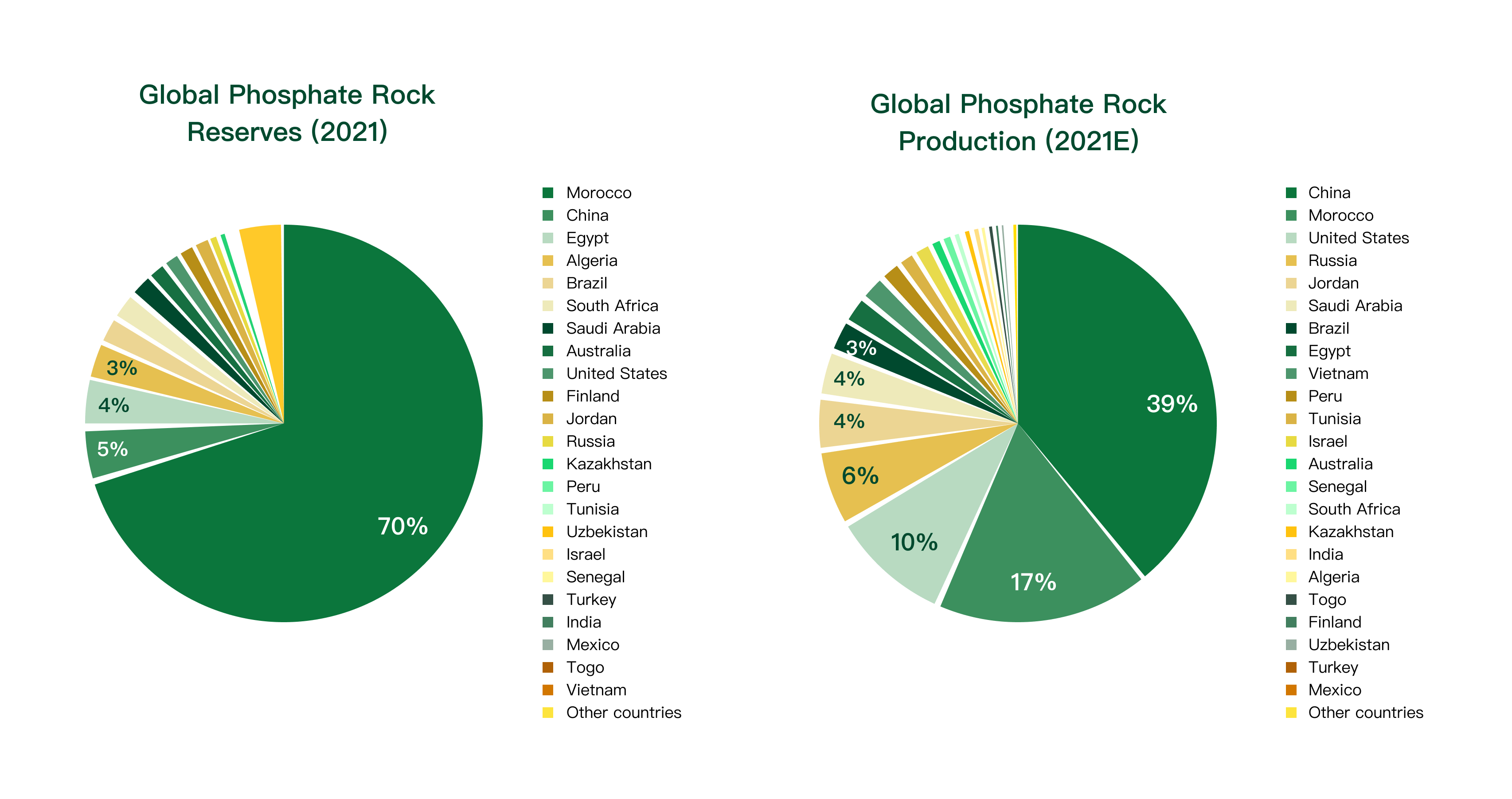
The US phosphorus strategy will also have a profound impact on the global phosphorus resource pattern. In terms of the procurement pattern, the US may reduce imports from countries like China and seek other supply sources, reshaping the global procurement landscape. Affected by this, the prices of global phosphorus - related products are expected to rise. In the long run, the importance of phosphate rock resources will become more prominent. The industry competition will shift from cost - based competition to competition for resource control, and countries and enterprises rich in phosphate rock resources will gain a more favorable position in the global phosphorus resource market.

For other countries, the US approach provides many insights. Countries should attach importance to the independent control of their domestic phosphorus industry chains, promote industry integration, and reduce dependence on a single import source. At the same time, phosphate rock resources need to be elevated to the level of national strategic resources, and strategic reserves should be strengthened. In addition, encouraging enterprises to carry out technological innovation, improving the utilization efficiency of phosphorus resources, and developing low - phosphorus or phosphorus - free alternatives are also important measures to ensure phosphorus resource security.
Overall, the US phosphorus strategy profoundly reveals the close connection between agriculture and national defense and has also set the stage for the transformation of the global phosphorus resource pattern. In the future, the competition and cooperation among countries in the phosphorus resource field will have a significant impact on the development trends of the world's agriculture and national defense and are worthy of continuous attention.