Published
10 December 2025 at 12:00
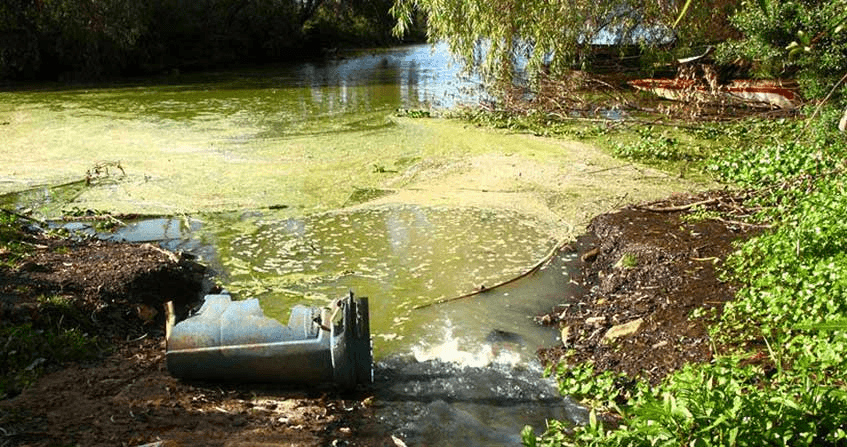
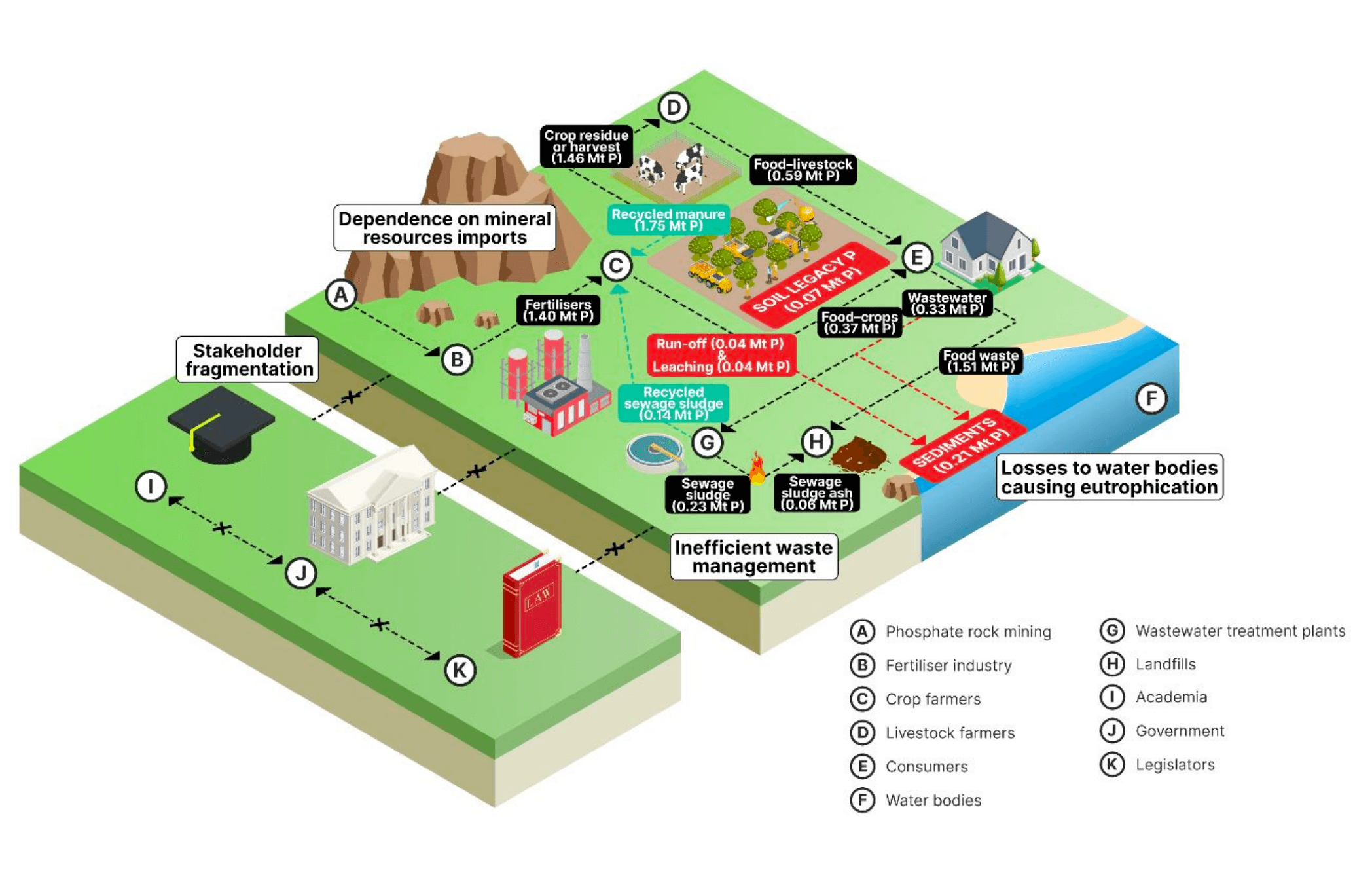
Phosphorus, a cornerstone of global food production, has become a double-edged sword under current management practices. Over-reliance on finite phosphate rock reserves threatens the food security of many nations, while inefficient fertilizer use and inadequate wastewater treatment cause widespread water pollution through eutrophication. This degradation severely harms freshwater and marine ecosystems, impacting biodiversity, drinking water safety, and aquatic food supplies.
Confronted by this dual crisis, scientists are issuing a clear call to action: countries urgently need to develop and implement National Sustainable Phosphorus Plans. The core objective of such plans is to drive a fundamental shift from a“linear”model of phosphorus use—where it is mined, used, and lost as pollution—to an“intelligent circular”system. This transition aims to simultaneously secure both food production and environmental health.
The strength of this planning approach lies in its integrated, systemic methodology. It moves beyond single technological fixes to create an actionable framework combining scientific assessment, infrastructure development, and policy and financial tools. A key first step is to map national“Phosphorus Hotspots”—critical zones with the highest recycling potential (like urban wastewater plants and large livestock operations) and the greatest need for pollution reduction (such as sensitive watersheds). Subsequently, plans must foster the development of tailored recovery infrastructure and supply chains. This involves transforming phosphorus-rich organic waste into safe, farmer-friendly fertilizer products and optimizing regional land-use planning to minimize the need for long-distance transport of these materials.
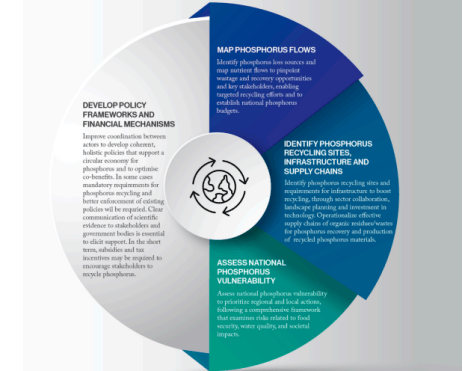
A crucial and often missing component is conducting a comprehensive National Phosphorus Vulnerability Assessment. This goes beyond quantifying import dependence to evaluate local water bodies' capacity to absorb phosphorus pollution and analyze the socio-economic impacts—especially on smallholder farmers—of volatile fertilizer prices. This assessment provides the scientific basis for prioritizing actions, helping policymakers decide whether to invest first in upgrading wastewater treatment in a specific region or to promote regenerative farming practices that reduce runoff.
Successful implementation hinges on supportive policies and market mechanisms. This requires improved coordination across government agencies, the establishment of regulations and standards that encourage phosphorus recycling, and the design of smart economic instruments like targeted subsidies, green credits, or tax incentives. These tools can lower the initial investment barrier for recycling technologies and stimulate innovation and market development. Importantly, the planning process must actively engage key stakeholders—from farmers to industries—to ensure the proposed measures are practical and widely adopted.
In essence, National Phosphorus Planning represents a forward-thinking paradigm for resource governance. It seeks to transform phosphorus from a potential pollutant and geopolitical risk into a strategically managed, nationally circular resource. By adopting this“dual-security”planning framework, countries can build greater resilience into their food systems while taking critical responsibility for protecting global water quality and biodiversity. The time for smart national planning is now.
Source: https://www.sciencedirect.com/science/article/pii/S0958166924001629