Published
02 December 2025 at 12:00
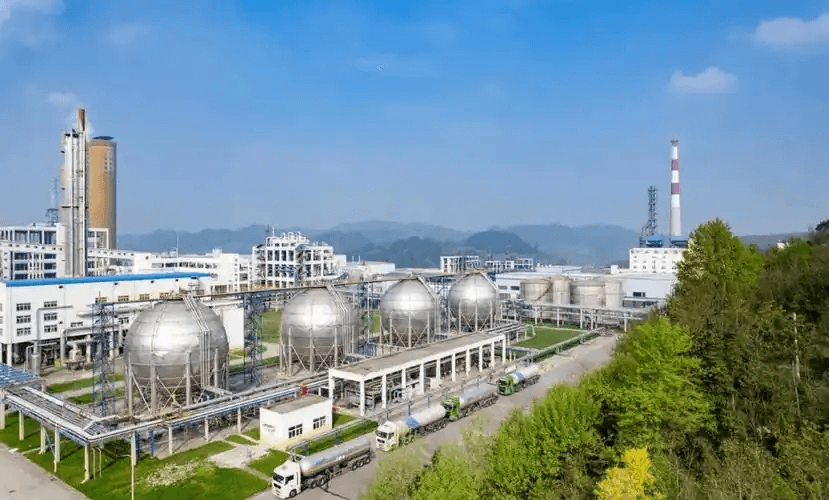
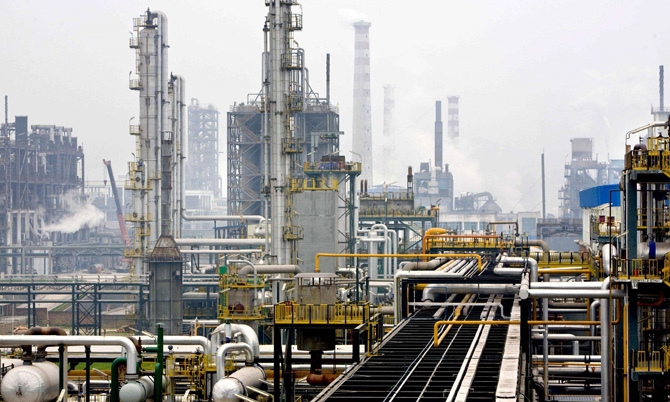
China has released a comprehensive implementation plan to steer its massive phosphorus chemical industry toward a more sustainable, innovative, and high-value future. The move aims to secure a critical supply chain for national priorities like food security and new energy, while addressing long-standing challenges of resource efficiency and environmental impact.
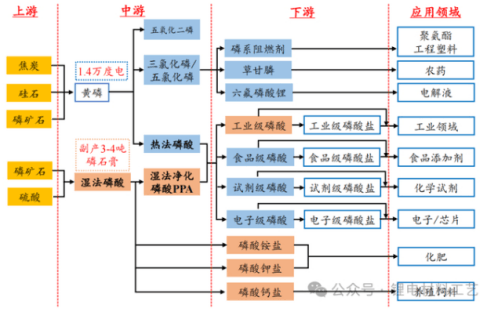
As the world's largest producer of phosphate rock and phosphorus chemicals, China has built a complete industrial chain centered in its southwestern provinces. Despite this scale, the industry faces pressures including inefficient resource use, reliance on lower-value products, and significant waste management issues, particularly with by-product phosphogypsum.
The new plan sets clear targets for 2026, focusing on four pillars: enhancing innovation, optimizing the industrial structure, promoting green manufacturing, and fostering a healthier industrial ecosystem. Key goals include developing cutting-edge technologies for resource extraction, significantly boosting the recycling of phosphogypsum, and cultivating several world-leading enterprise clusters.
A core strategy involves strengthening the sustainable supply of critical raw materials. While China has substantial phosphate reserves, they are often of lower grade. The plan emphasizes protective mining, better utilization of low-grade ore and associated minerals, and diversifying sources of sulfur—another key, import-dependent feedstock.
To break reliance on low-end products like fertilizers, the policy urges a shift toward high-value phosphorus-based materials for batteries, electronics, and fine chemicals. It calls for tighter control over new capacity for traditional products while encouraging industrial clusters in major producing regions to develop specialized, synergistic advantages.
Green and safe development is a major pillar. The plan mandates energy-saving upgrades, full harmless treatment of new phosphogypsum, and strict safety protocols requiring new hazardous chemical projects to be located within designated industrial parks.
Implementation will be driven by coordinated efforts between national and provincial authorities, supported by aligned policies in finance, government procurement, and market access. The goal is to transform this strategically vital industry from a volume leader into a model of high-quality, secure, and sustainable development.
Sources: