







Published
02 December 2025 at 12:00
A new scientific analysis reveals a compelling case for shifting from mined phosphate to recycled sources for fertilizer production, demonstrating significant environmental and economic benefits that could transform global agriculture.
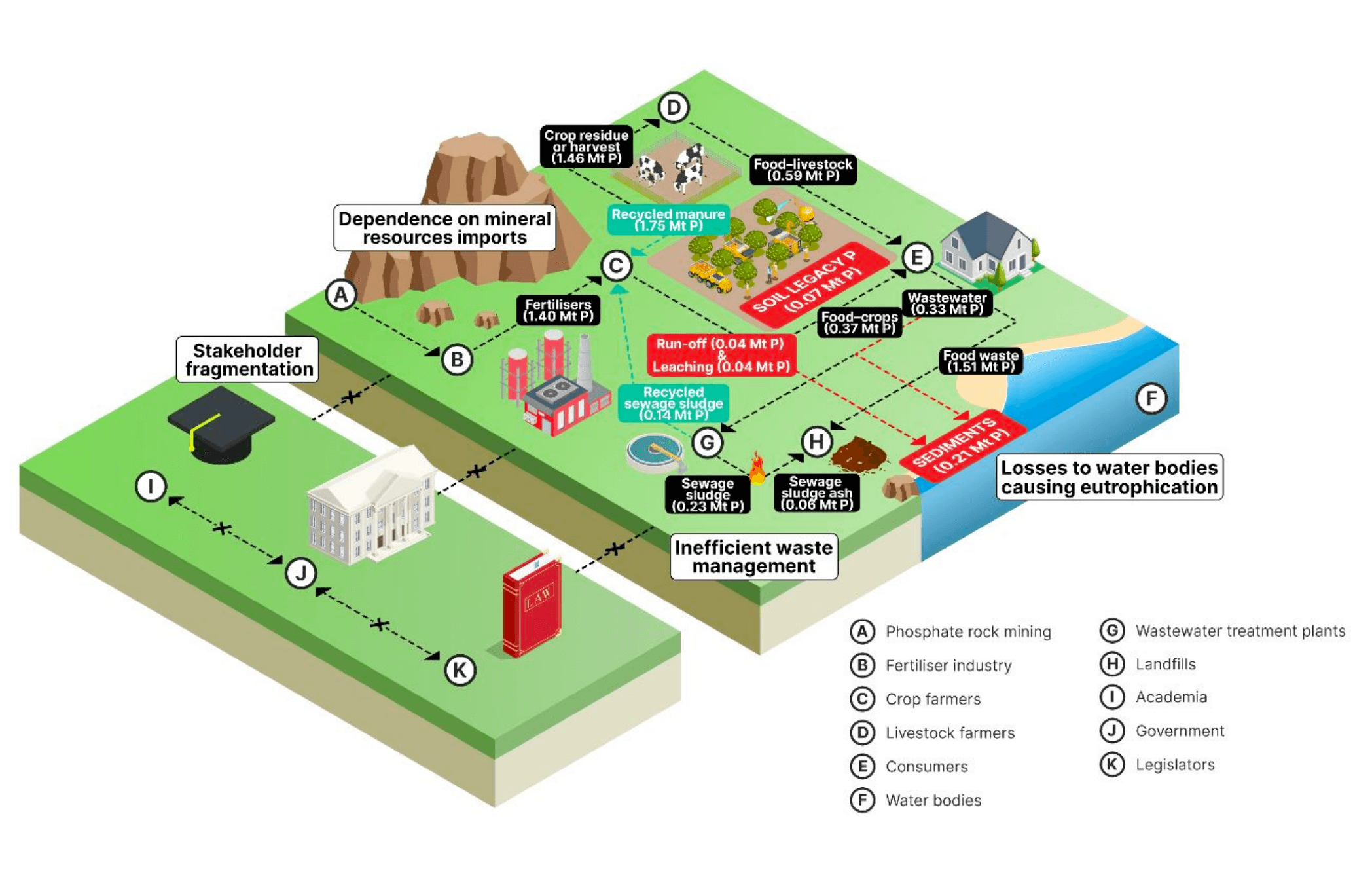
The world's food security currently hinges on rock phosphate, a finite mineral used to make concentrated phosphorus fertilizers. To create a more sustainable system, innovative "circular" technologies are being developed to recover phosphorus from organic waste—such as sewage sludge, manure, and food processing residues—and convert it into effective fertilizers.
However, the full impact of these advanced recovery methods has remained unclear. A recent study now provides critical evidence, showing that fertilizers made from recycled materials often have a lower environmental and health footprint compared to conventional rock-derived products, particularly in regions with high livestock or population density.
The research highlights a decisive economic advantage when taking a broader societal perspective. By accounting for "external" costs—including environmental damage from mining and the avoided costs of managing organic waste—the overall societal expense of circular phosphorus products drops dramatically.
The study concludes that beyond addressing the long-term risk of rock phosphate depletion, advanced phosphorus recovery offers immediate local benefits—from cleaner water to improved public health—making it a socially and economically viable path toward a more resilient food system.
Sources: