Published
10 December 2025 at 12:00
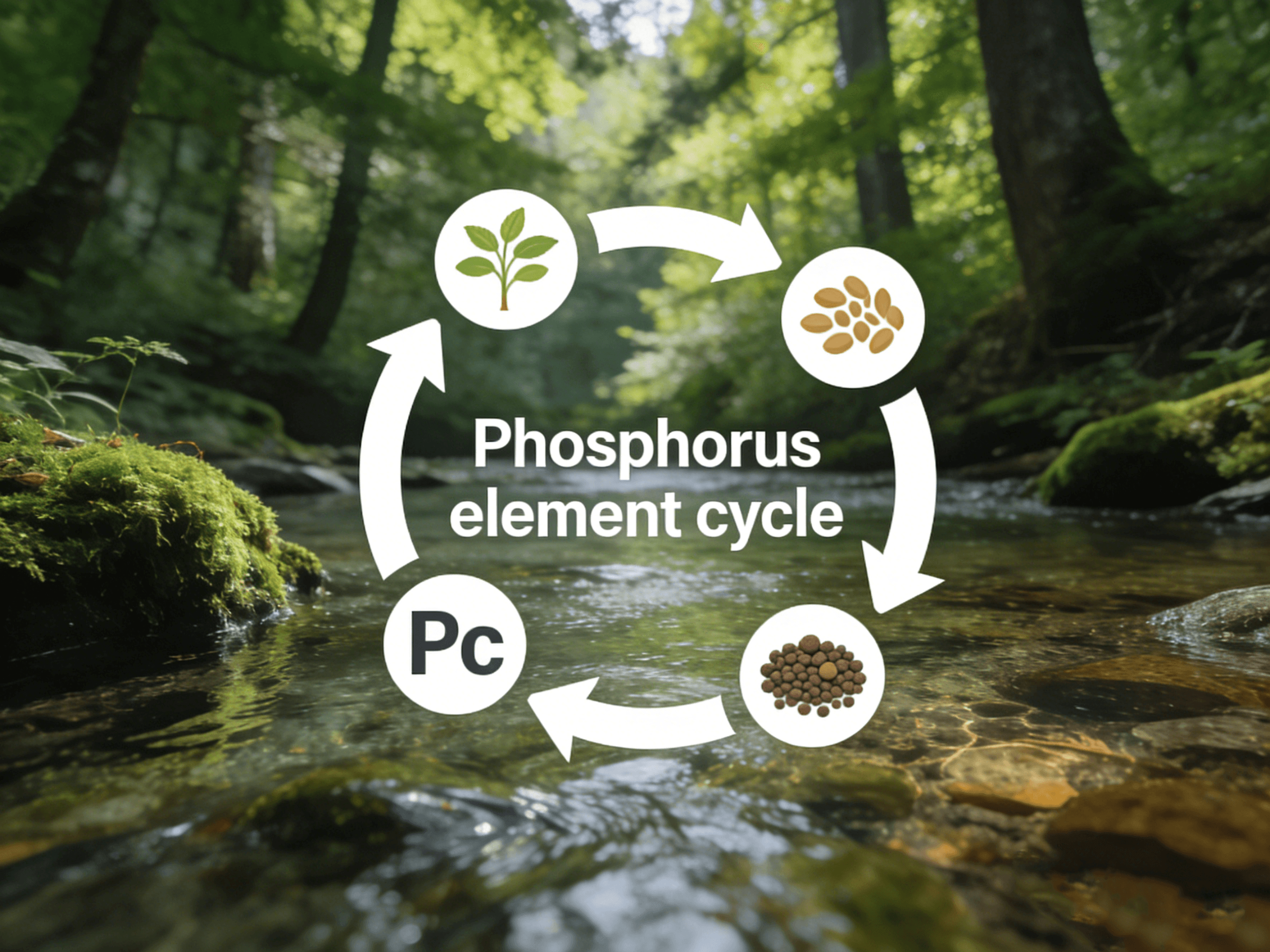
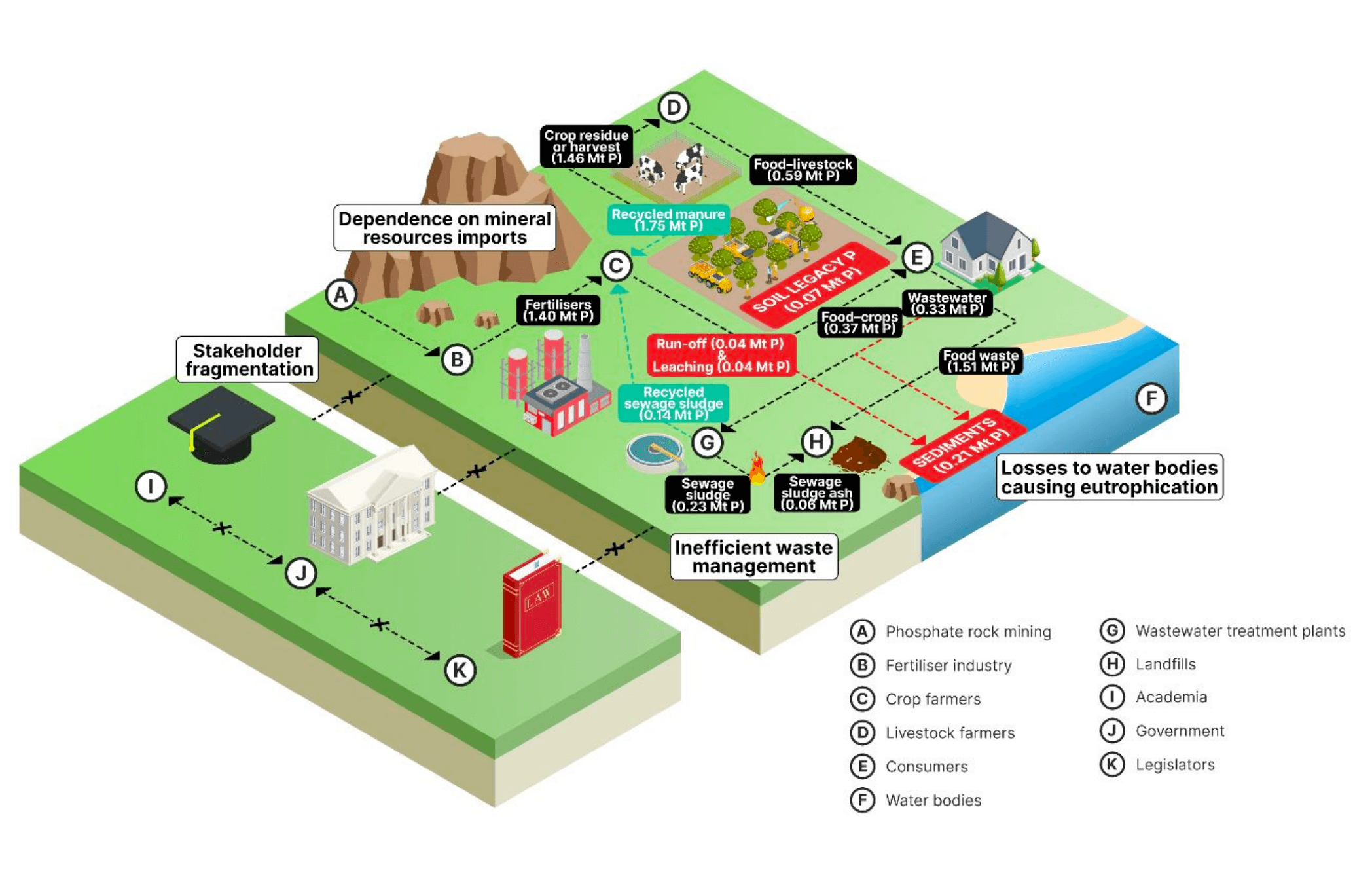
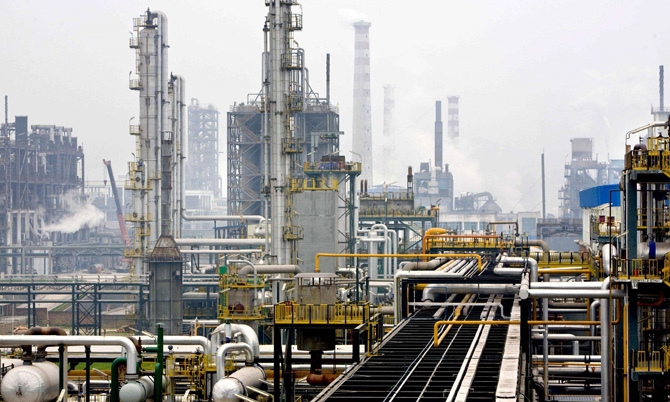
Phosphorus, an element crucial for global food security, is at the heart of a growing crisis. While debates continue about the longevity of phosphate rock reserves, the insecurity surrounding this vital resource is undeniable. The root cause lies in our outdated "take-make-waste" linear economy, which creates geopolitical risks, price volatility, and severe environmental damage from soil contamination to water pollution.
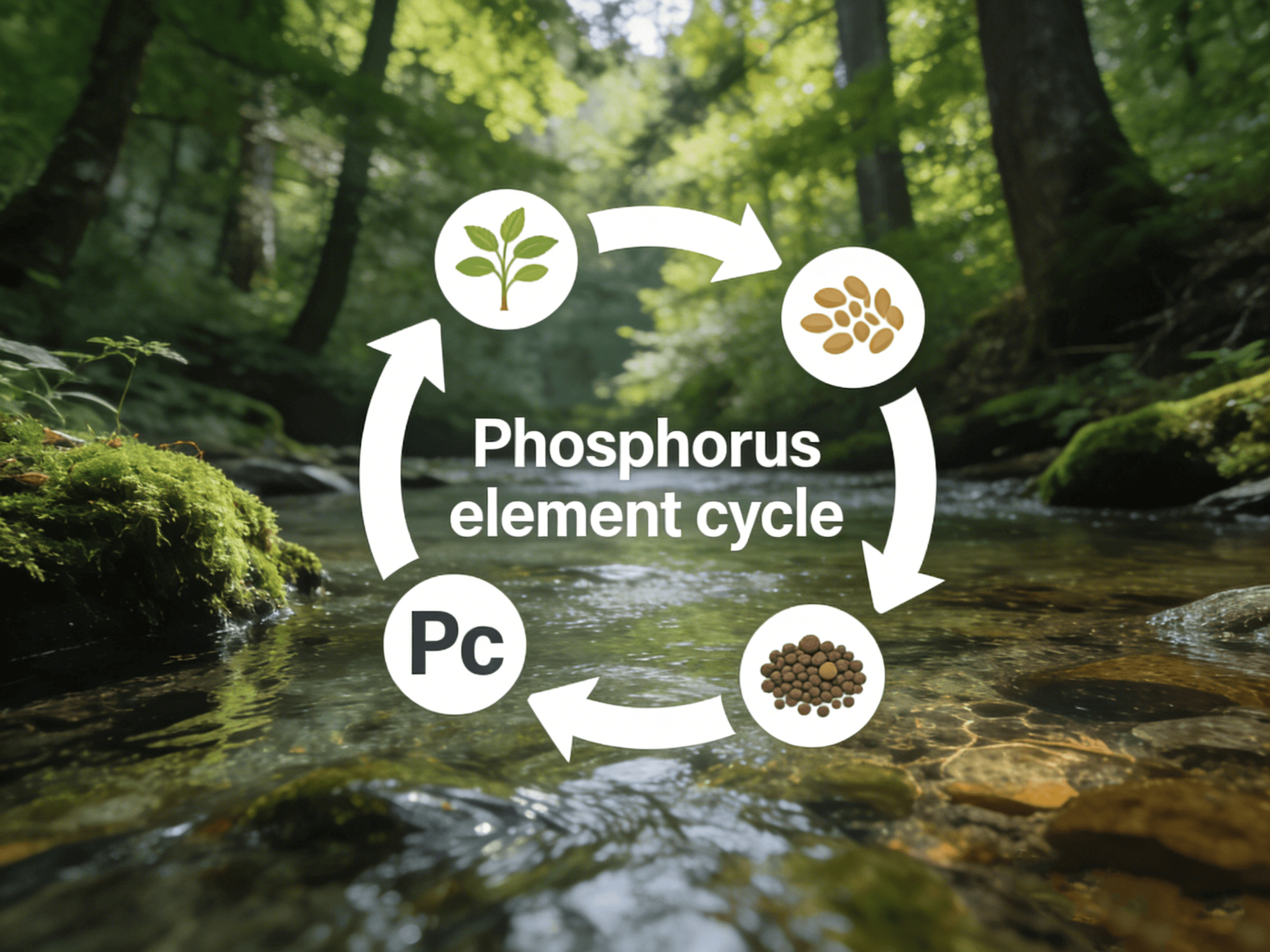
Experts agree that shifting to a Circular Phosphorus Economy (CPE) is the essential solution. This model—recovering and reusing phosphorus from wastewater, manure, and other wastes—is not just an environmental fix; it is a powerful engine for achieving multiple UN Sustainable Development Goals (SDGs).
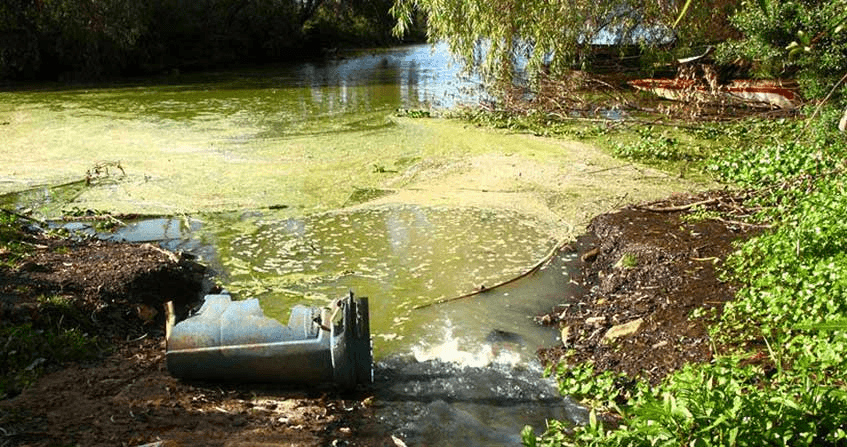
By securing fertilizer supply and improving efficiency, a CPE directly advances Zero Hunger (SDG 2). By drastically cutting phosphorus runoff into rivers and oceans, it safeguards Clean Water (SDG 6) and Life Below Water (SDG 14). The innovation and infrastructure required to close the phosphorus loop can generate green jobs, fueling Decent Work and Economic Growth (SDG 8). Furthermore, reducing mining dependency and pollution contributes significantly to Life on Land (SDG 15), Responsible Consumption (SDG 12), and Climate Action (SDG 13).
Global momentum is building. The EU's Green Deal targets fertilizer reduction and promotes trade in recycled phosphorus. China has prioritized nutrient recycling in its national green plans. The US is funding precision agriculture and fertilizer innovation. These actions share a common goal: transforming phosphorus from a pollutant into a sustainable resource through policy and technology.
For developing regions, especially Africa, the CPE offers a unique pathway. Facing challenges of fertilizer access and basic sanitation, these regions can "leapfrog" the polluting linear model by adopting localized, cost-effective recovery and efficient use systems. This approach can boost food production to fight Poverty (SDG 1) while building Industry and Infrastructure (SDG 9) sustainably from the start.
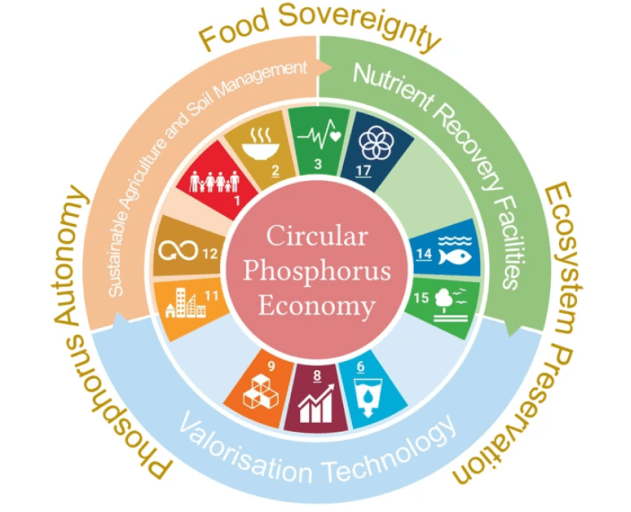
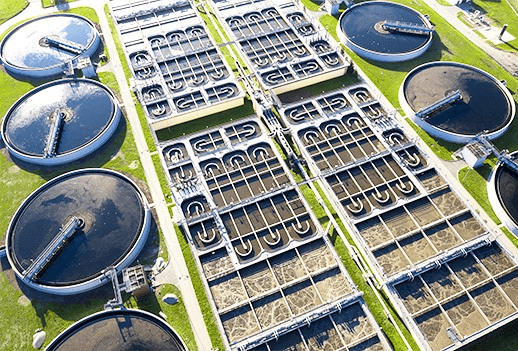
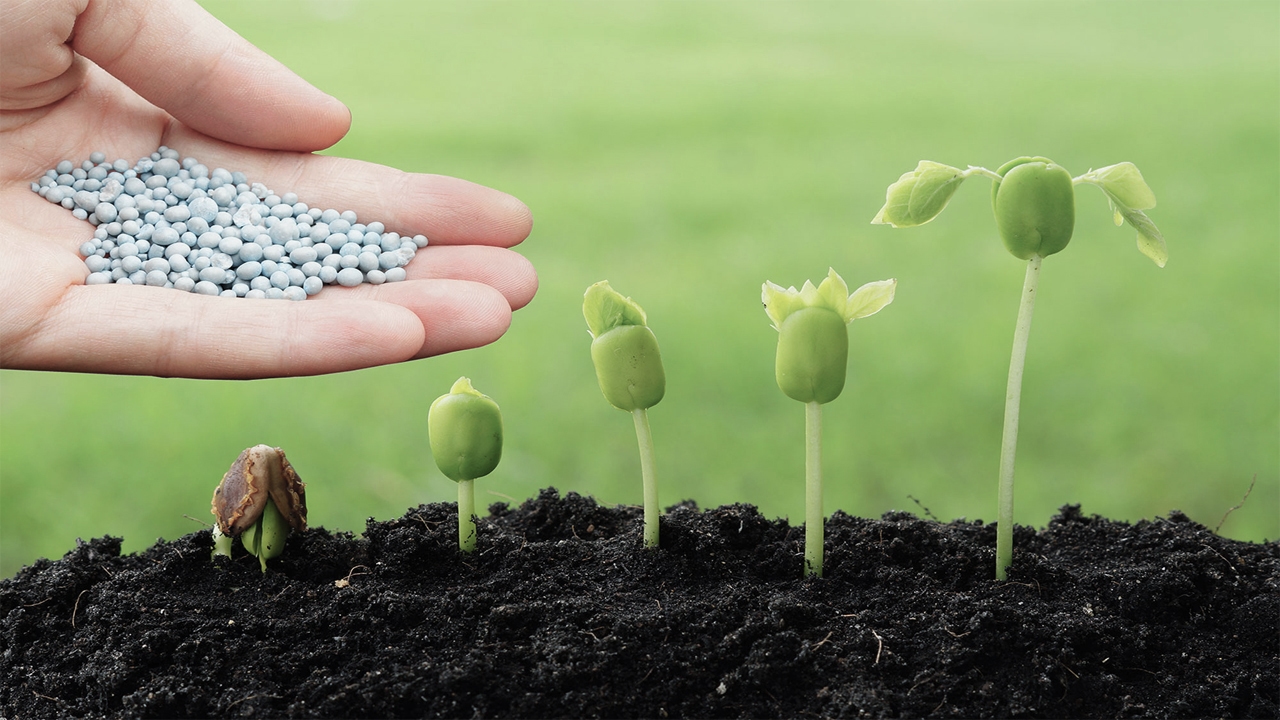
Achieving this transition requires action on three fronts: building Nutrient Recovery Facilities to extract phosphorus from waste streams; advancing Waste Valorization Technologies to turn it into safe fertilizers; and implementing Sustainable Agriculture practices like precision farming and crop breeding to maximize phosphorus use efficiency.
Moving from linear consumption to circular regeneration is more than an agricultural imperative—it is a fundamental choice for water security, ecosystem health, and a stable climate. Prioritizing the Circular Phosphorus Economy is choosing a future that can feed the world while protecting the planet.