Phosphorus management
10 December 2025 at 12:00
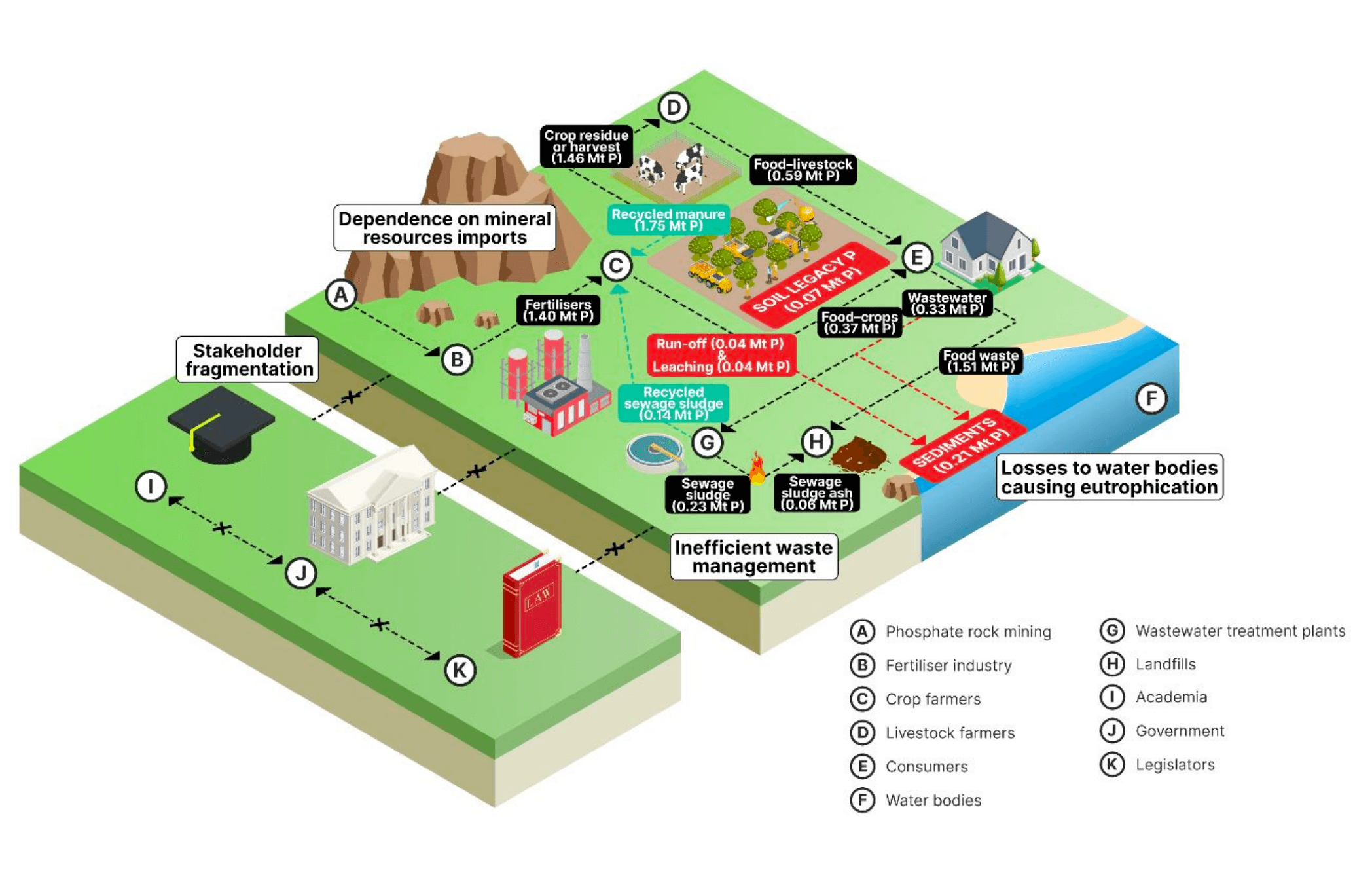
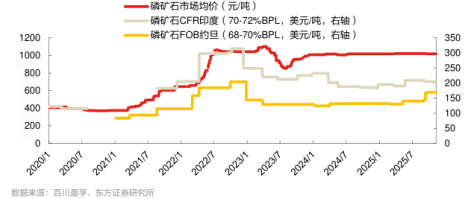
Driven by broader chemical price hikes, the price of phosphate rock, a critical raw material, remains elevated in China. Market data shows current prices for various grades of the mineral are hovering near multi-year highs. This sustained price strength has triggered a visible scramble among listed companies to secure resources and consolidate capacity, accelerating strategic moves across the industry.
This flurry of activity stems from a widespread market expectation of a prolonged "tight balance" between supply and demand. As a non-renewable resource, China's domestic phosphate rock output has declined from its historical peak. Industry consensus holds that in the current price environment, controlling the resource equates to controlling cost advantages and profit security. Consequently, firms with integrated "mine-to-chemical" operations are positioned to be the primary beneficiaries of this boom.
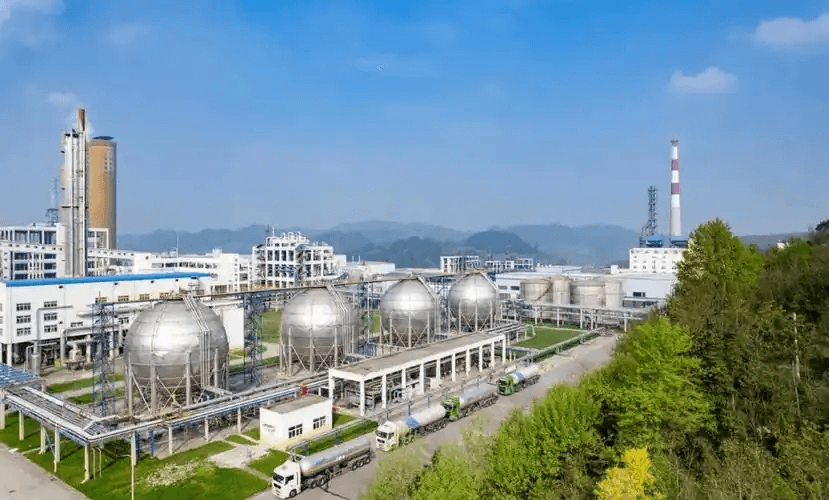
Resources are demonstrably concentrating towards industry leaders. Recent announcements from major players like Batian and Xingfa Group regarding mine expansions or new mining rights acquisitions underscore this trend. Analysts note that companies are securing resources through diverse channels, including asset injections from controlling shareholders and outright market acquisitions or joint ventures. Policy is reinforcing this shift. National guidelines promoting the efficient, high-value use of phosphorus resources encourage industrial integration and concentration. In this context, having downstream processing facilities is increasingly a de facto prerequisite for obtaining mining rights or expansion approvals. Leading firms are consequently reducing the proportion of phosphate rock they sell externally, instead funneling more resources into their own downstream production to maximize value across the chain.
Looking ahead, a key market question is whether a pipeline of new projects might eventually depress prices. While statistics indicate substantial planned capacity, industry insiders point out that the journey from securing mining rights to achieving meaningful output is long and fraught with constraints—including environmental and safety regulations, as well as increasing extraction complexity—often causing actual production to fall short of plans. Therefore, the phosphate rock market is expected to remain in a state of "tight balance" for the next year or two, with significant price volatility seen as unlikely.
On the demand side, the structure is evolving. Phosphate fertilizers, accounting for roughly 70% of consumption, form a stable demand base, and their price regulation indirectly caps potential upside for rock prices. Meanwhile, burgeoning demand from the energy storage and electric vehicle battery sectors is creating new long-term potential. Although this "new energy" demand currently represents only about 10% of the total and is considered a "slow-burn" variable, its structural pull—particularly for high-grade phosphate rock—is already becoming apparent.
Financially, integrated leaders have reaped rewards. Strong earnings reported for the first three quarters highlight the advantage. Analysts assert that "mine-to-chemical" integration has become the core industry moat. The resource divide may lead to price stratification, with high-grade ore commanding a premium due to its suitability for battery materials. Companies lacking secured resources face mounting cost pressures, accelerating an industry shake-out. Some players are even looking overseas, targeting high-quality phosphate assets to cement long-term competitive advantages.
In summary, under twin pressures of resource scarcity and environmental scrutiny, China's phosphorus industry has entered an era where "resource is king." Leading enterprises that have successfully secured scarce ore and built integrated chains have not only locked in cost and profitability advantages but also seized the initiative in steering the industry toward higher value-added and greener development, solidifying their dominance for the foreseeable future.
Source: