Phosphorus management
02 December 2025 at 12:00
For many, Western Sahara remains a distant desert land immortalized in literature. Today, however, this Northwest African territory is at the heart of intense geopolitical and economic competition, all because of a critical resource fundamental to global food security: phosphate.
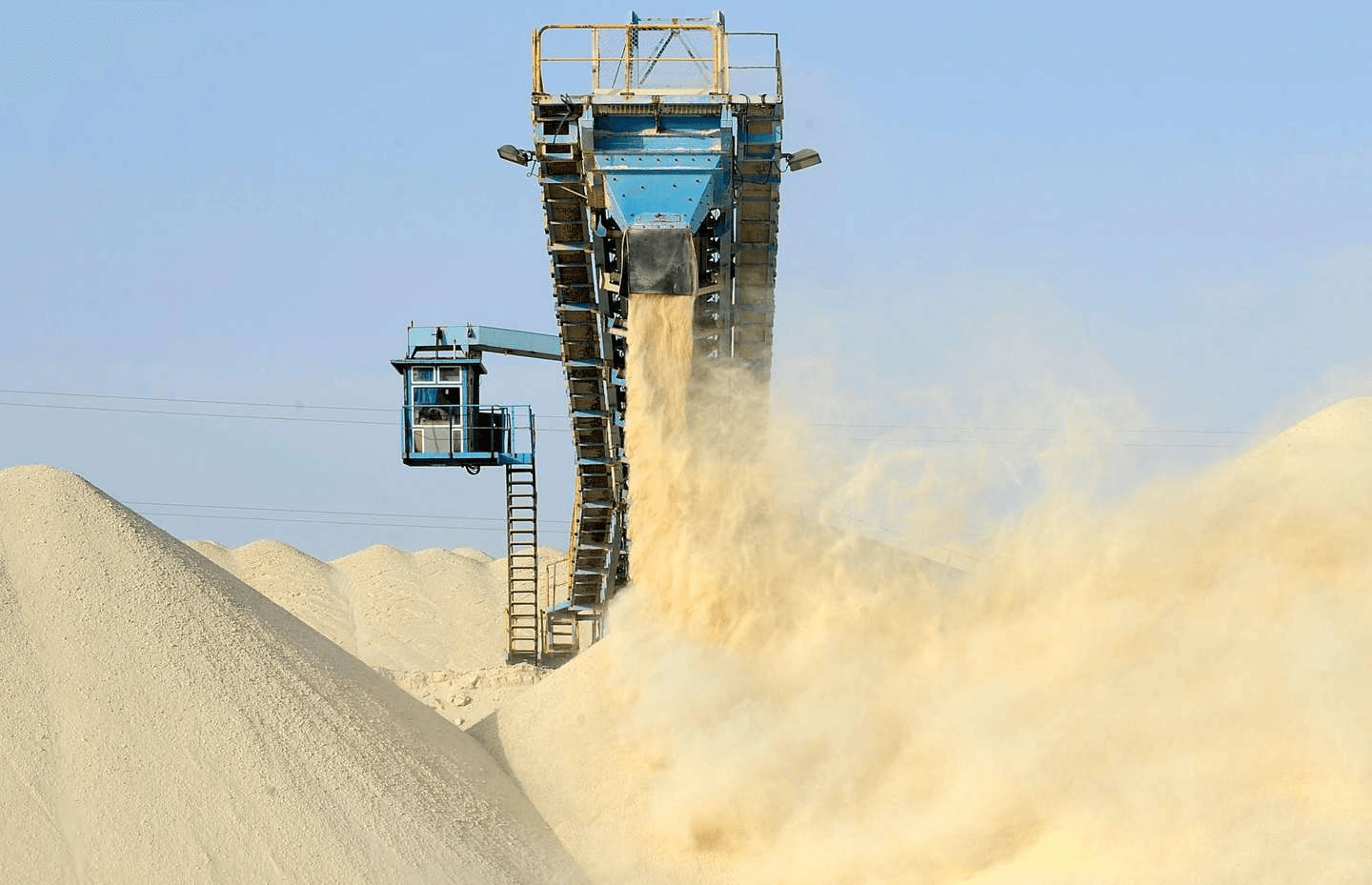
As the world's population approaches 10 billion, the demand for fertilizer—and the phosphate rock it's made from—has skyrocketed. This has thrust Morocco and the disputed Western Sahara region, which together hold approximately 75% of the world's proven high-grade phosphate reserves, into unprecedented strategic significance.
In late 2020, the geopolitical stakes were underscored when then-U.S. President Donald Trump broke with international consensus and recognized Moroccan sovereignty over Western Sahara. Analysts widely cite the region's vast phosphate riches as a key driver behind this move.
Phosphate: The Irreplaceable "Food for Food"
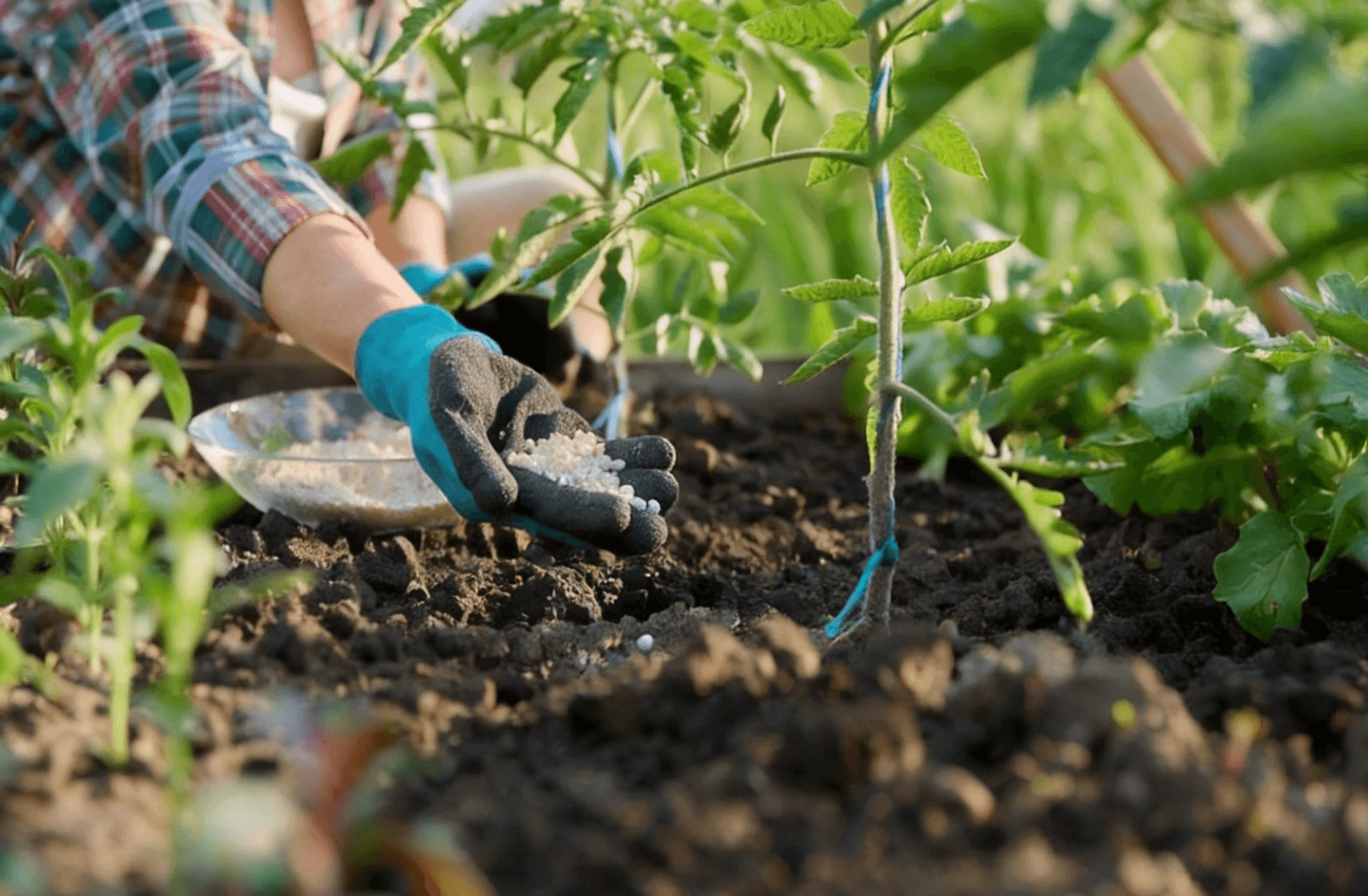
Phosphate is essential for plant growth, with roughly 80% of global output used for fertilizer. It is a non-renewable resource. Experts, including those cited by The Guardian, warn that global reserves could be depleted within decades.
Reserves are highly concentrated: Morocco and Western Sahara rank first with about 50 billion tons. China is second with around 4 billion tons, but its deposits are predominantly lower-grade and more costly to mine. Although China is the world's largest phosphate fertilizer producer and exporter, its own reserves were listed as "deficient" over a decade ago, leading to production caps. Chinese mining experts have asserted that phosphate's strategic value "is no less than that of rare earths."
Contest for Control
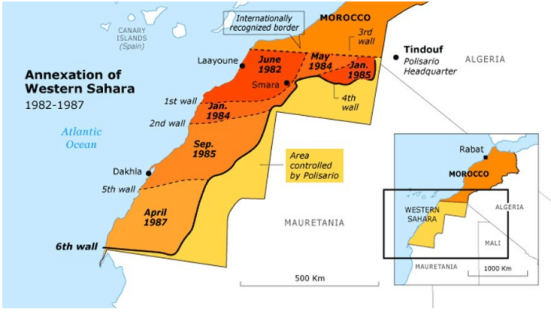
Morocco has controlled roughly two-thirds of Western Sahara, including its major phosphate belt, since 1975. Its state-owned monopoly, OCP Group, is the world's largest phosphate exporter and a key price-setter.
The independence-seeking Polisario Front, backed by Algeria, disputes Morocco's sovereignty. A 1991 UN-brokered ceasefire paused fighting but not the resource conflict. UN legal opinions have stated that exploiting resources in a disputed territory without respecting the local population's wishes may violate international law.
Global Implications and China's Role
As a permanent UN Security Council member, China has participated in the UN peacekeeping mission in Western Sahara. Simultaneously, as a major phosphate consumer, securing long-term resource access is a strategic concern, with potential cooperation under the Belt and Road Initiative framework.
The United States remains a major importer of Moroccan phosphate. Meanwhile, Saudi Arabia has leveraged its financial strength and cultural ties to build a massive phosphate fertilizer industry based on North African resources, diversifying its oil-dependent economy.
Conclusion
The fate of Western Sahara is intertwined with the control of a resource critical to feeding the world. The concentration of phosphate reserves, coupled with growing demand and geopolitical rivalries, transforms this regional dispute into a global issue of food security and resource sustainability. How the international community navigates this challenge will have profound implications for decades to come.
Sources: