Phosphorus management
10 December 2025 at 12:00
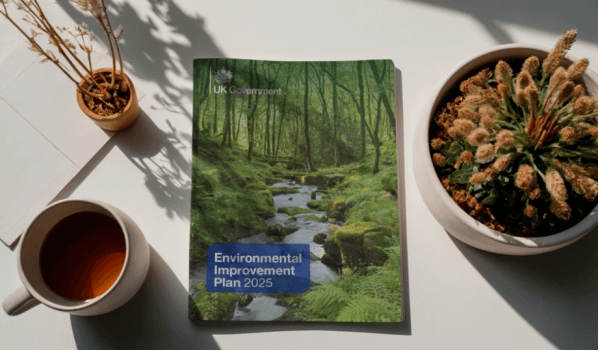
In a significant update to its environmental strategy, the UK government has unveiled a revised plan setting tougher, time-bound targets for nature recovery and pollution control, with a clear spotlight on tackling pervasive water contaminants like phosphorus.
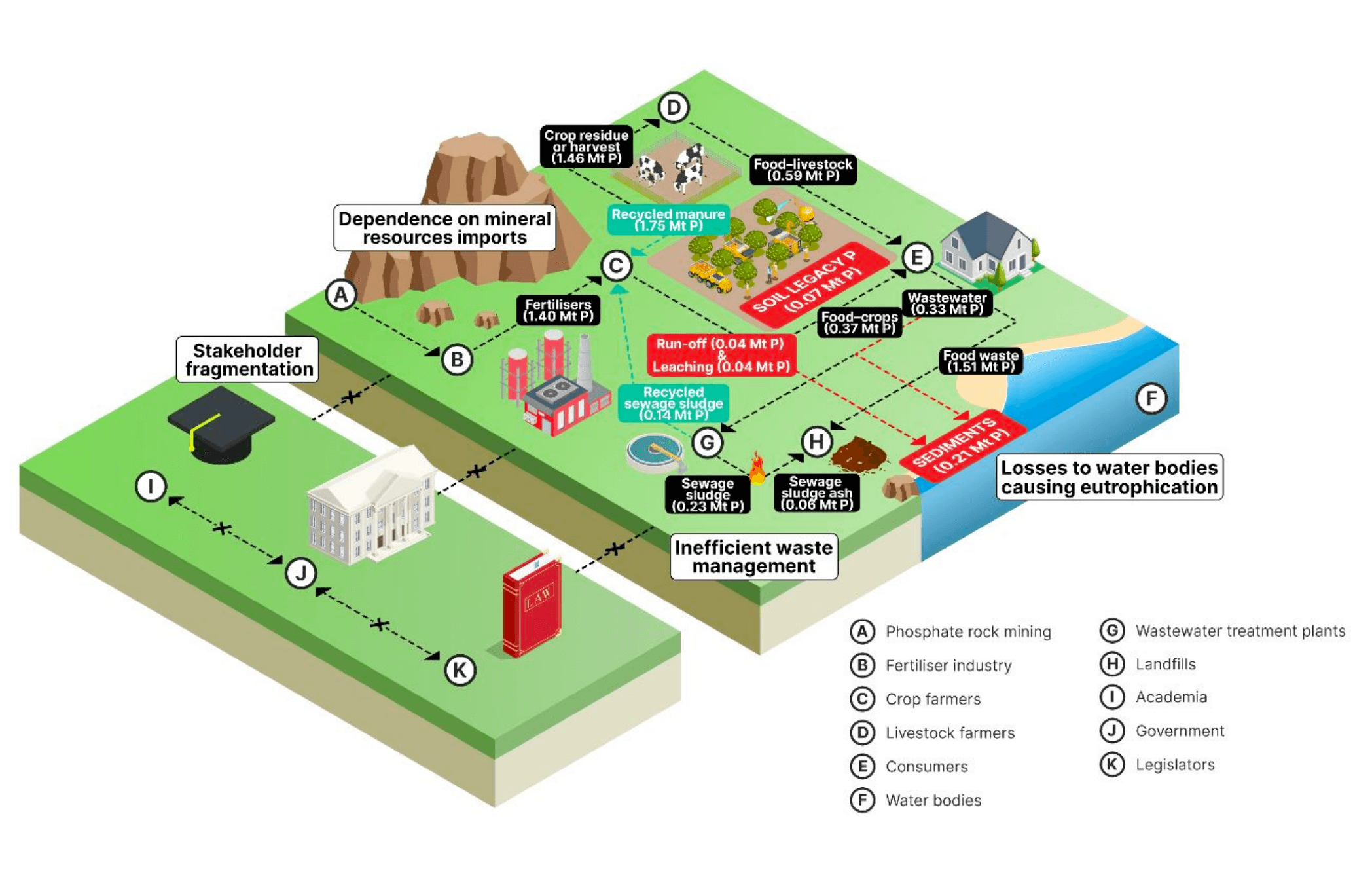
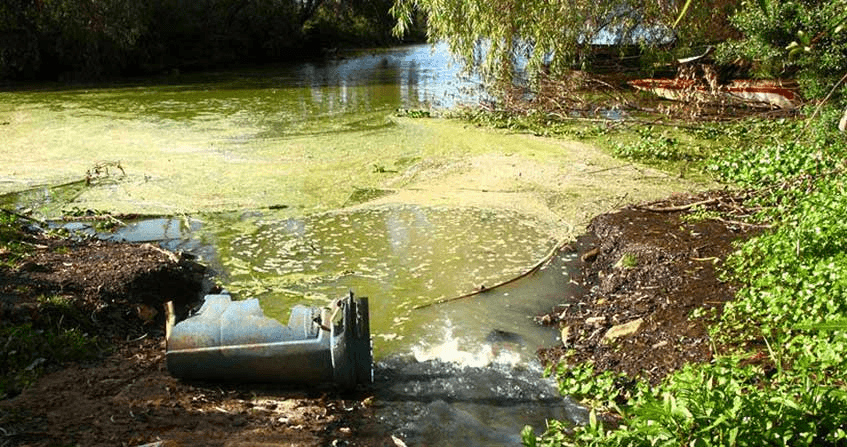
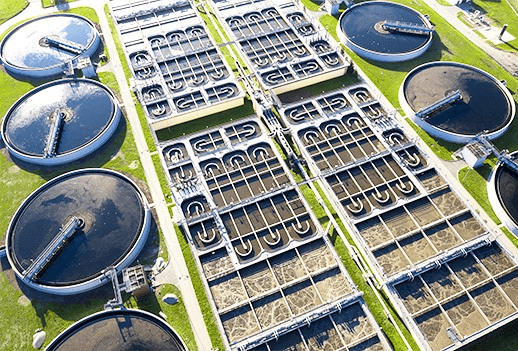
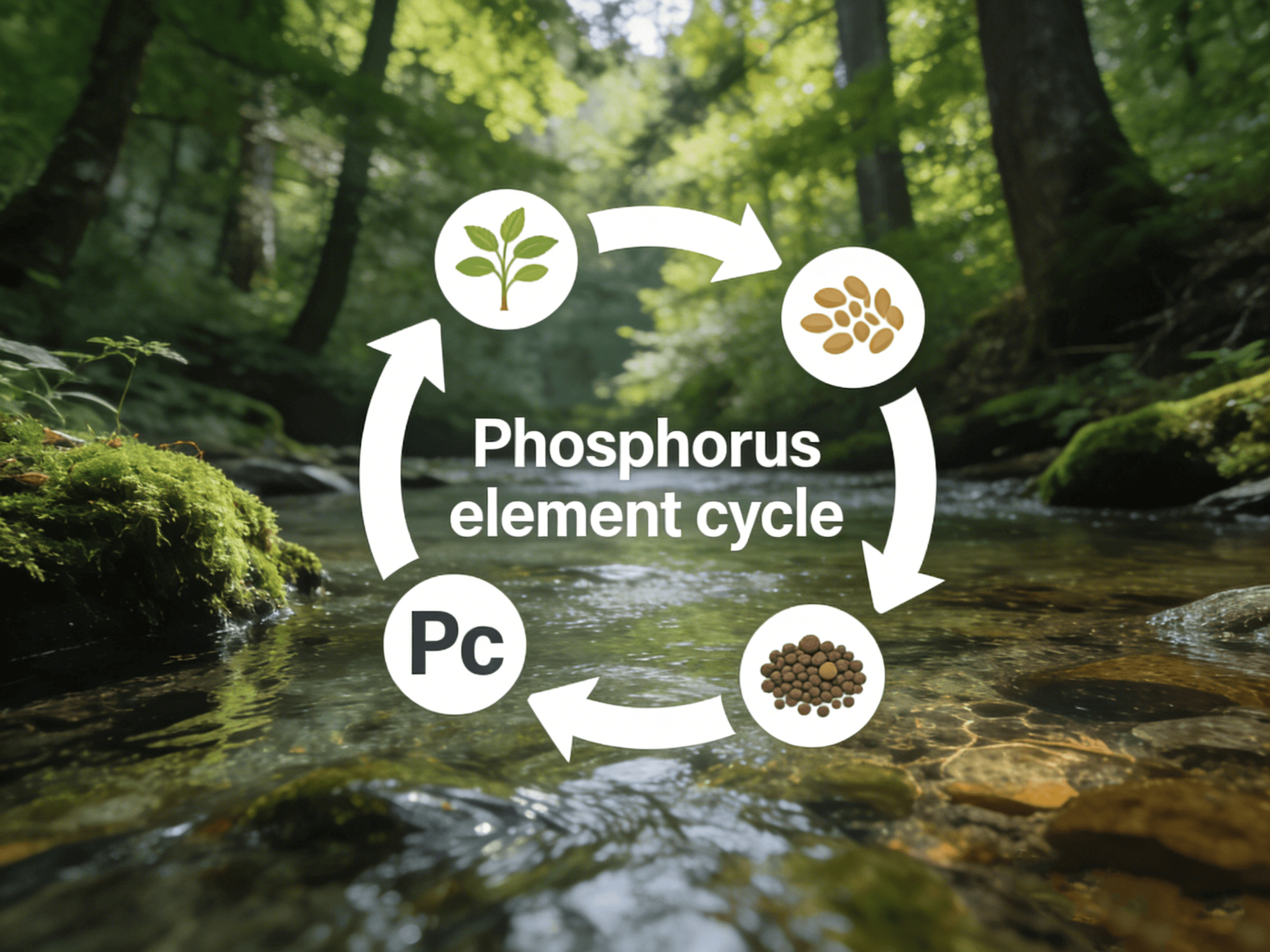
Prompted by what ministers called a "loss of clarity" in earlier efforts, the revised Environmental Improvement Plan raises the ambition for habitat creation and tightens key pollution limits. A central feature is a renewed push to clean up waterways. The government has committed to slashing agricultural pollution from nitrogen, phosphorus, and sediment by at least 40% by 2038, compared to 2018 levels. In a parallel move targeting waste water, it aims to reduce phosphorus from treated sewage by a substantial 80% relative to 2020 figures.
The plan further addresses water quality by pledging a review of regulations governing the spreading of sewage sludge on land. This measure is designed to ensure such practices do not compromise food safety or the health of rivers, directly linking land management to phosphorus pollution.
Beyond the water focus, the blueprint outlines broader goals. It scales up near-term habitat creation outside protected areas to 250,000 hectares by 2030 and promises an expanded Sustainable Farming Incentive to help double the number of wildlife-friendly farms. The strategy also introduces the UK's first-ever comprehensive plan for managing persistent "forever chemicals" known as PFAS.
On air pollution, the annual limit for harmful PM2.5 particles has been tightened to 10 micrograms per cubic metre by 2030. Biodiversity targets include halting species decline by 2030 and restoring over half a million hectares of habitat by 2042.
However, the government's own officials acknowledge that the pace of delivery must accelerate to meet these legally binding deadlines. The announcement has received a mixed response from environmental charities. While groups like WWF welcomed the endorsement of "Nature-Positive" pathways, others criticized a lack of urgency. Friends of the Earth described the plan as reliant on "future consultations and voluntary measures," arguing it falls short of the concrete action needed to reverse nature's decline. Similarly, Rewilding Britain called the habitat targets "woefully unambitious" compared to the scale of the crisis.
The success of this plan, particularly its ambitious goals for cutting phosphorus and other pollutants, will now hinge on translating these targets into tangible, funded action across the UK's farmland and water systems.
Source: