





Published
12 February 2025 at 12:00
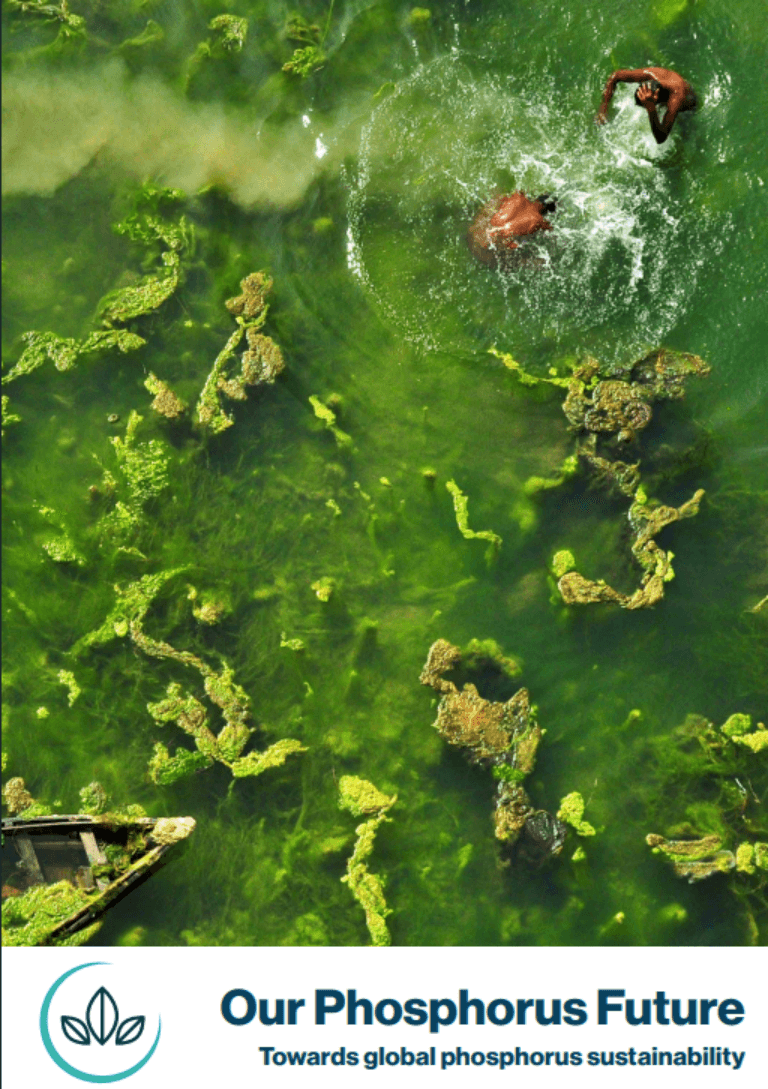
A new landmark report warns that the world must fundamentally transform how it manages phosphorus
an element essential for feeding the global population but whose mismanagement is simultaneously poisoning waterways and wasting a critical resource.
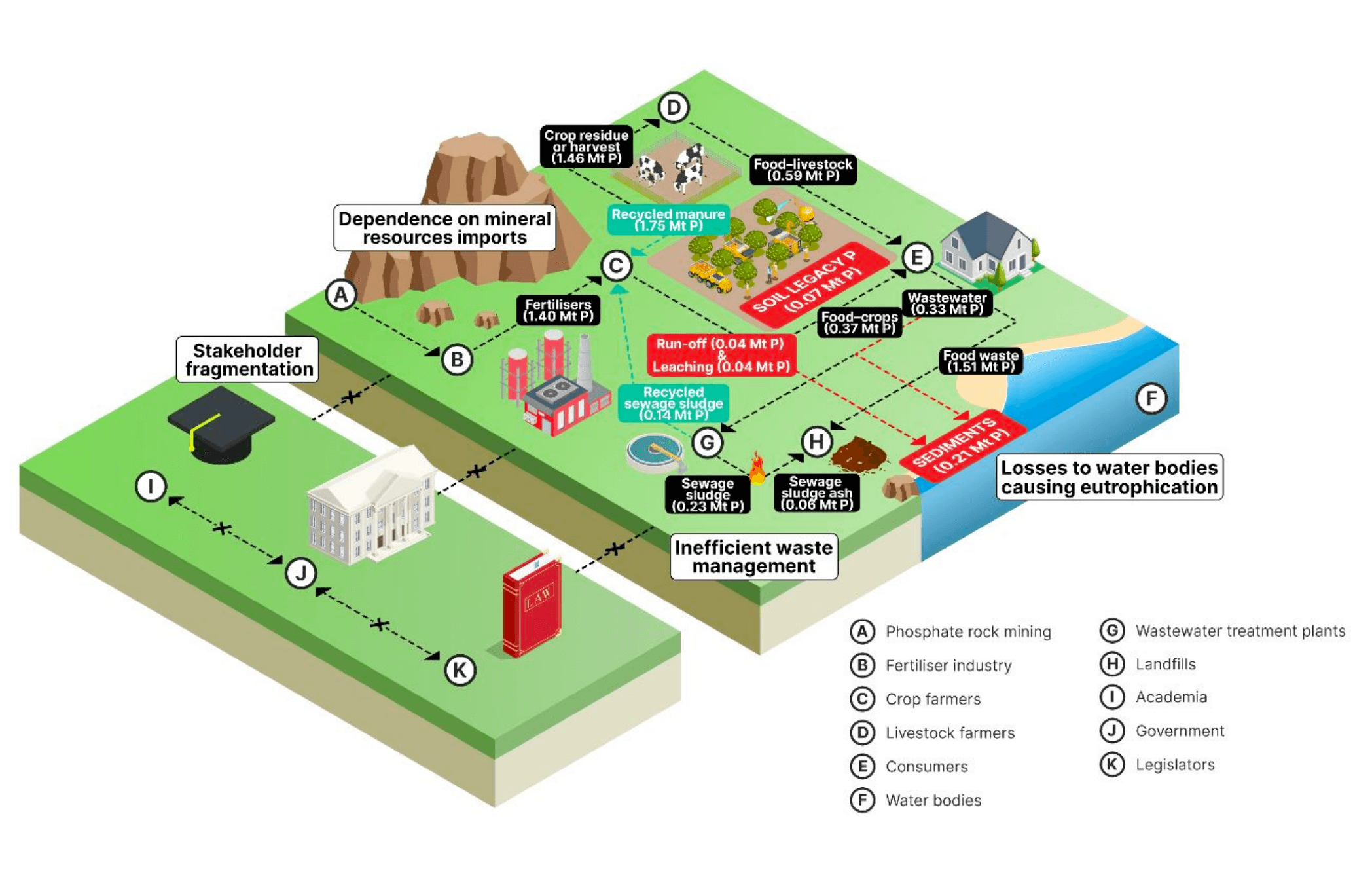
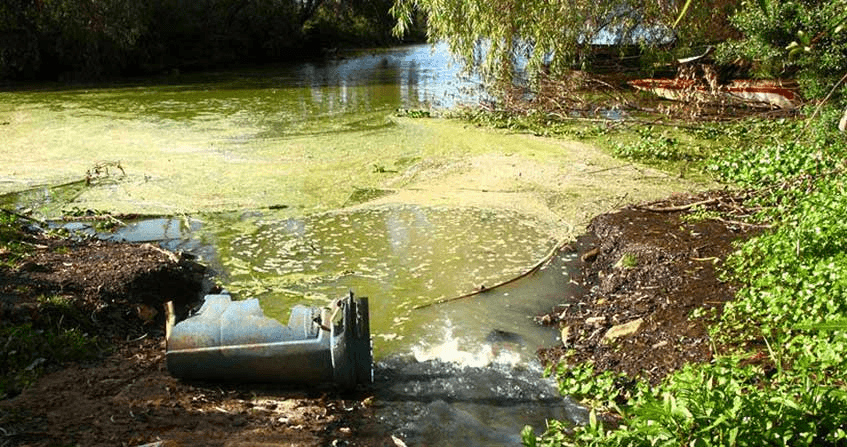
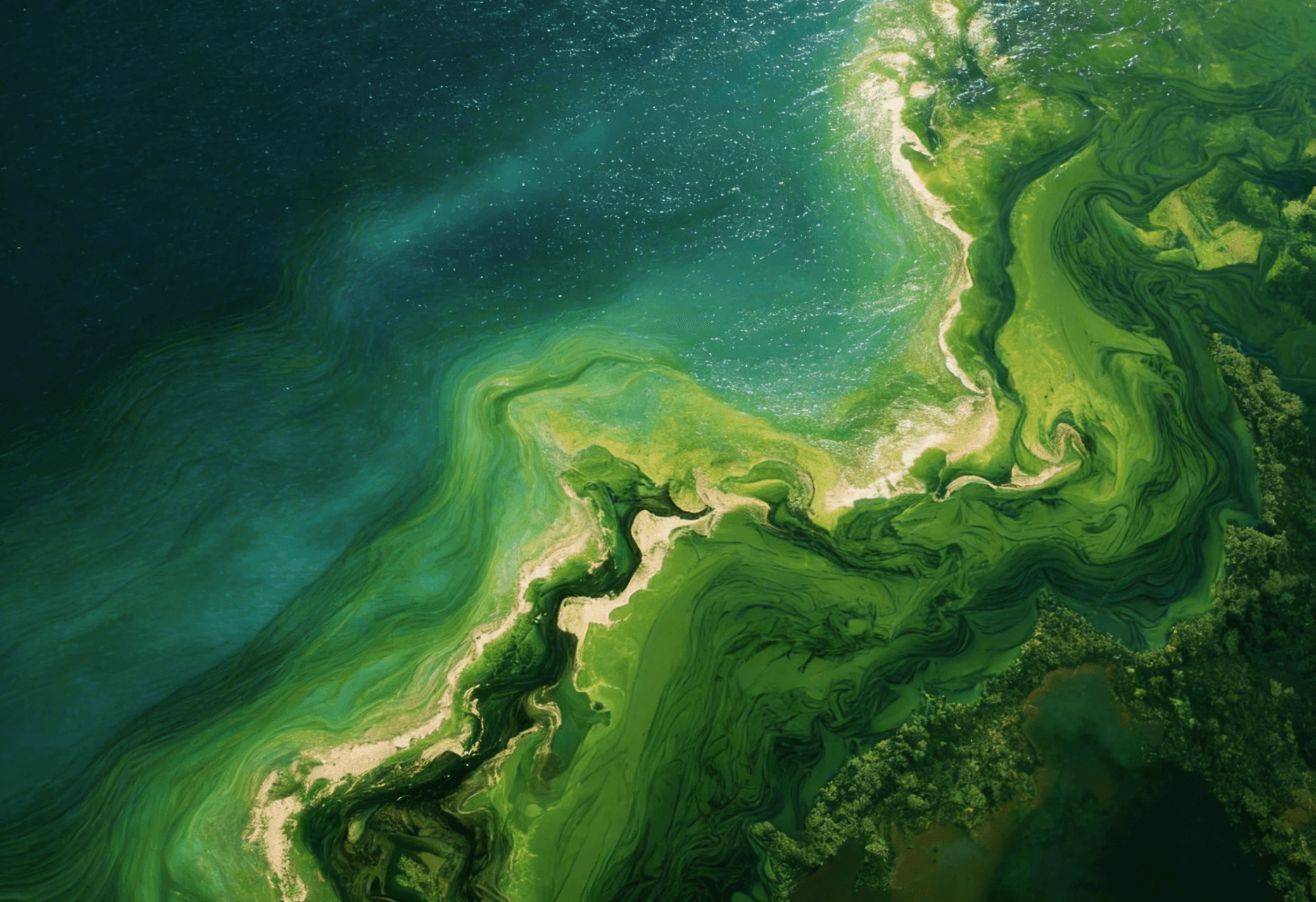
The report, Our Phosphorus Future, is the culmination of a four - year international project involving over 100 scientists. It concludes that current practices are unsustainable, trapped in a cycle where inefficient use in agriculture fails to maximize food production while excess phosphorus runs off into rivers and coasts, causing toxic algal blooms and dead zones.
A Problem of Fragmented Governance
Historically, nutrient management has been split by natural borders and bureaucratic divisions, creating a system where the causes of pollution are often disconnected from their environmental effects. The Global Partnership on Nutrient Management (GPNM), a coalition formed in 2009, exists to bridge these gaps. It advocates for global cooperation to tackle the complex nutrient challenge and to develop smarter policies and investments.
The Helsinki Declaration and a Scientific Consensus
The urgency is underscored by the 2019 Helsinki Declaration, signed by more than 500 scientists, which called for transformative action across food, agriculture, and waste systems. The declaration highlighted a critical lack of coordinated intergovernmental action to date.
A Roadmap for 2050: Cut Pollution, Boost Recycling
The Our Phosphorus Future report provides a science - based pathway forward. It sets forth ambitious yet achievable global goals for 2050:
①A 50% reduction in phosphorus pollution.
②A 50% increase in the recycling of phosphorus lost in waste and residues.
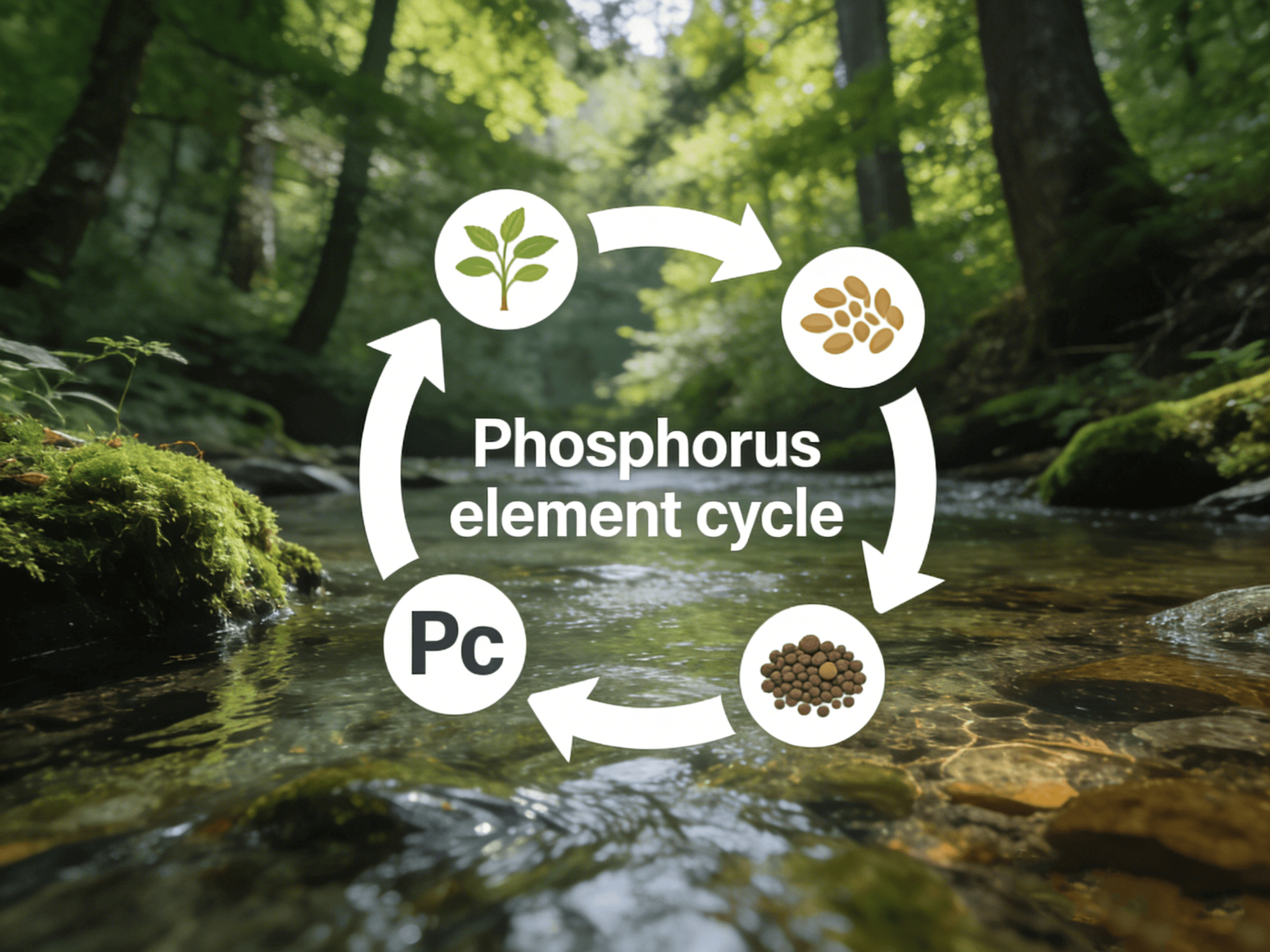
Achieving these targets, the report argues, would bring significant economic benefits alongside major environmental gains. The key lies in shifting to a circular economy for phosphorus, recovering and reusing it from wastewater, food waste, and agricultural runoff instead of allowing it to be lost or to pollute.
A Call for Systemic Change
The authors conclude that effective future governance cannot be constrained by traditional boundaries. They call for a system that prioritizes safeguarding natural resources, advances the UN's 2030 Sustainable Development Goals, and breaks the current pattern of unsustainable resource use. The message is clear: securing humanity's phosphorus future requires integrated, global action now.
Sources:
https://www.opfglobal.com